
Diabetic Retinopathy Clinic
Proactive screening and advanced treatments to protect your eyesight from long-term diabetic complications.
Diabetic Retinopathy Clinic
Proactive screening and advanced treatments to protect your eyesight from long-term diabetic complications.Diabetes can severely affect the eyes, leading to Diabetic Retinopathy. Our eye hospital offers comprehensive management including regular screening, Green Laser Photocoagulation, and Anti-VEGF Intravitreal Injections to prevent vision loss.
What's Included
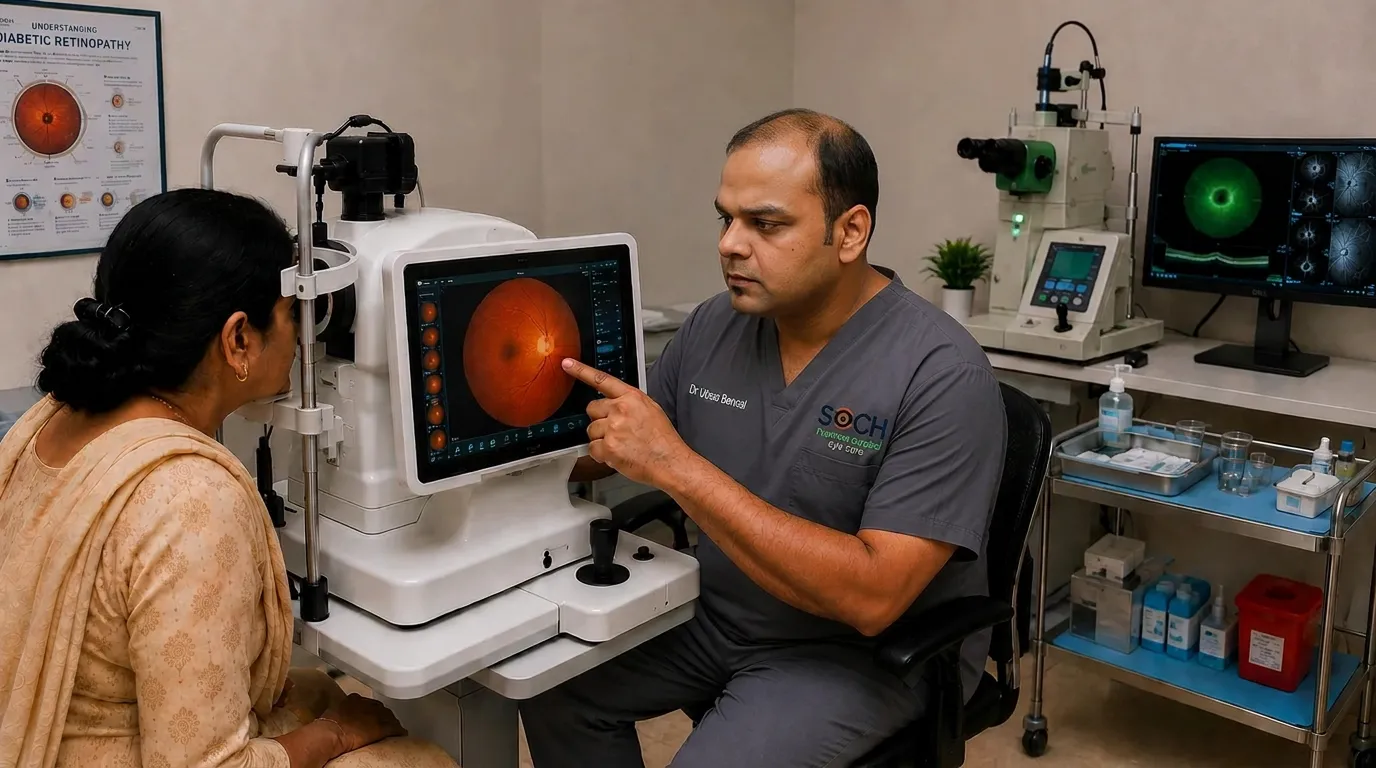
"A protective SOCH for diabetic eye health—Safeguard your vision from complications today!"
- Procedure Time 15 - 30 Minutes
- Recovery Time 24 Hours
- Anesthesia Topical (Numbing drops)
- Hospital Stay OPD Clinic Treatment
Clinical Overview
Diabetic Retinopathy is a serious microvascular complication of diabetes that damages the delicate blood vessels in the retina, potentially causing fluid leakage (diabetic macular edema) or bleeding inside the eye. If unmanaged, it is a leading cause of irreversible blindness. At SOCH Eye Care, we provide advanced screening using High-Definition Optical Coherence Tomography (OCT) and digital fundus cameras. Our treatment clinic specializes in target-oriented Green Laser Photocoagulation and intravitreal injections of Anti-VEGF agents (like Lucentis, Eylea, or Accentrix) to shrink abnormal blood vessels, resolve swelling, and stabilize sight.
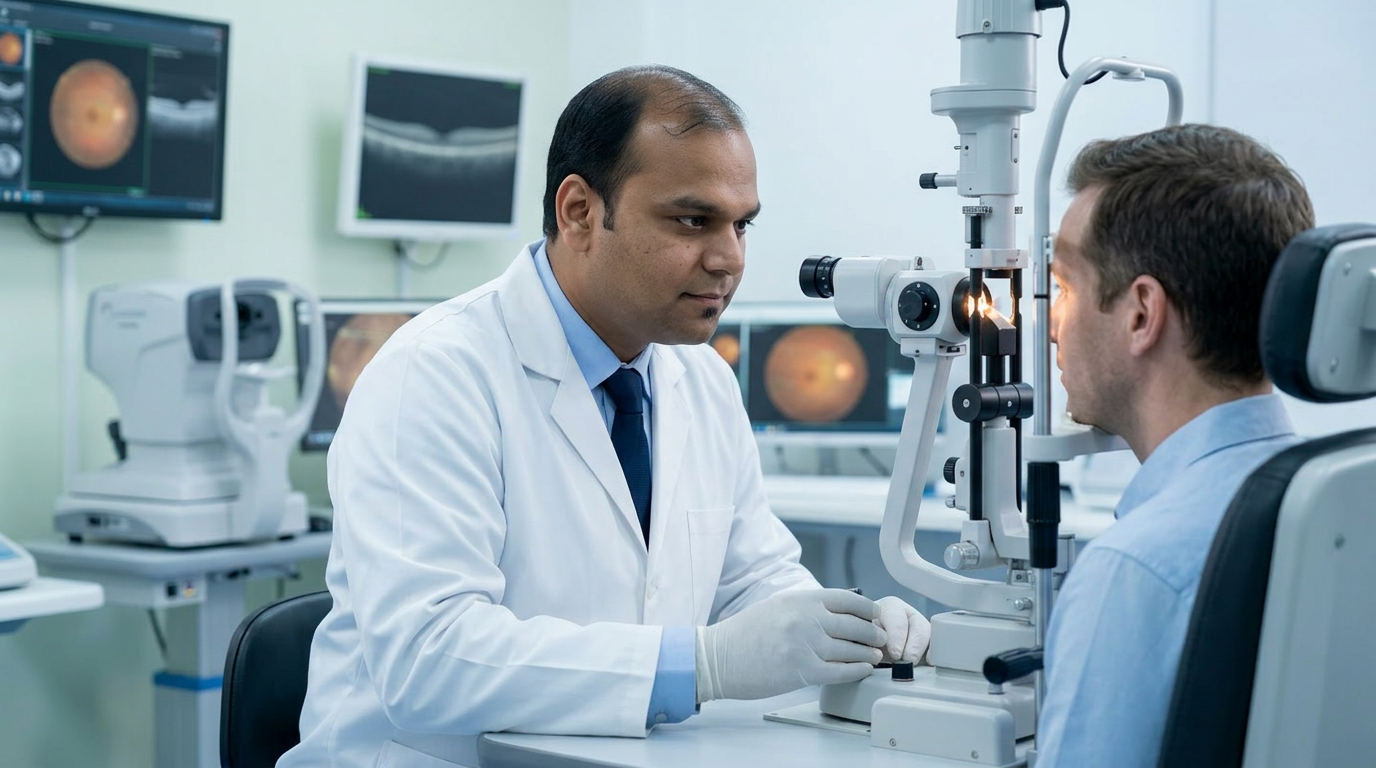
Advanced Treatment Options & Technology
Your Treatment Journey at SOCH
Retina Scanning & Mapping
We perform dilated indirect fundus examination and OCT mapping to quantify macular thickness and identify leaking spots.
Laser or Injection Session
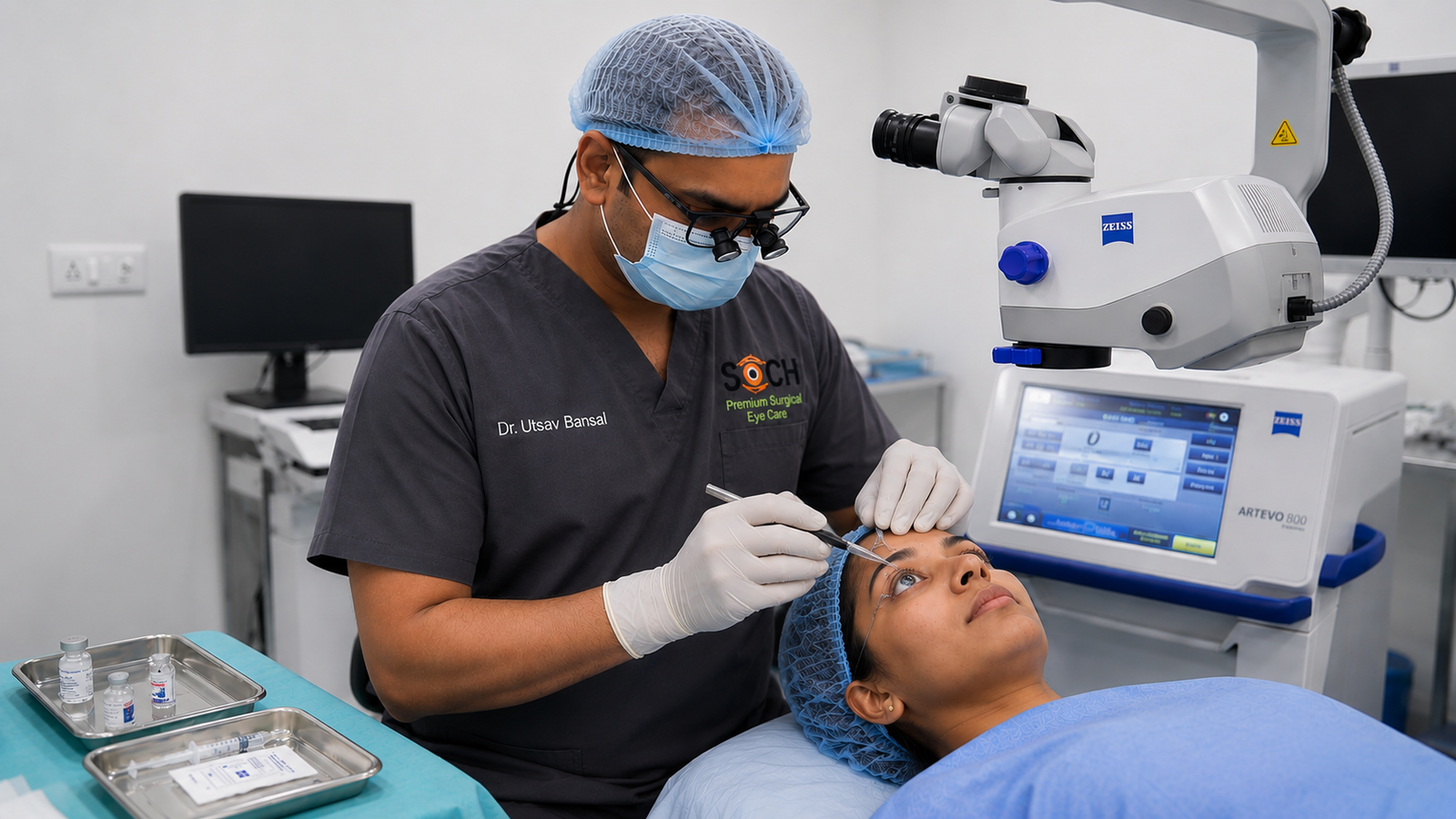
The eye is numbed with drops. The laser is applied to the retina, or an injection is given in a sterile minor OT.
Systemic & Ocular Follow-Up
The patient returns home immediately. Visual progress is checked monthly, and blood sugar control is actively monitored.
Ideal Candidate / Eligibility
- Diagnosed with Non-Proliferative or Proliferative Diabetic Retinopathy.
- Presence of Diabetic Macular Edema (DME) confirmed via OCT scan.
- Diabetic patient experiencing sudden blurry vision, spots, or visual distortion.
Recovery Guidelines
Do's (Recommended)
- Maintain strict control over your blood sugar, blood pressure, and cholesterol levels.
- Attend all scheduled monthly retina scan appointments without fail.
- Apply post-procedure antibiotic drops if an injection was administered.
Don'ts (Avoid)
- Do not rub your eye after receiving an intravitreal injection.
- Do not skip eye exams even if you feel your vision is completely normal.
- Avoid dusty areas for 3 days post-injection.
Your Speciality Treatment Doctor

Dr. Anshu Arora
Vitreo-Retinal SurgeonDr. Anshu Arora is an experienced vitreo-retinal Surgeon with 22 years of expertise. A gold medalist in MS Ophthalmology and best fellow awardee at Sankara Nethralaya, he has performed over 10,000 complex vitreo-retinal and cataract surgeries. He is sought after for difficult surgical cases and believes in ethical management with evidence-based medicine.
View Doctor ProfileFrequently Asked Questions
At least once a year, or more frequently if signs of retinopathy are detected.
Treatment can often stop or slow progression and improve vision if caught early, but advanced damage may be permanent.
The eye is numbed with drops before the injection, so most patients feel only minor pressure, not pain.
It is a complication of diabetes that damages the blood vessels in the retina, potentially leading to vision loss.
Laser treatment is done in the eye hospital and is mostly painless, though you may see bright light flashes.
Strict blood sugar control prevents further damage but cannot reverse existing damage. Clinical treatment is necessary.
Often there are no early symptoms, which is why annual dilated eye exams are essential for all diabetics.
They work by shrinking abnormal blood vessels in the retina and reducing swelling in the macula.
Because your eyes will be dilated, your vision will be blurry and sensitive to light. We advise having someone drive you.
Yes, pregnant women with diabetes face a higher risk of rapid progression and need closer monitoring.
Explore Other Services
LASIK & Contoura Vision
State-of-the-art laser vision correction including Contoura LASIK and Wavelight technology for 20/20 vision.
Learn More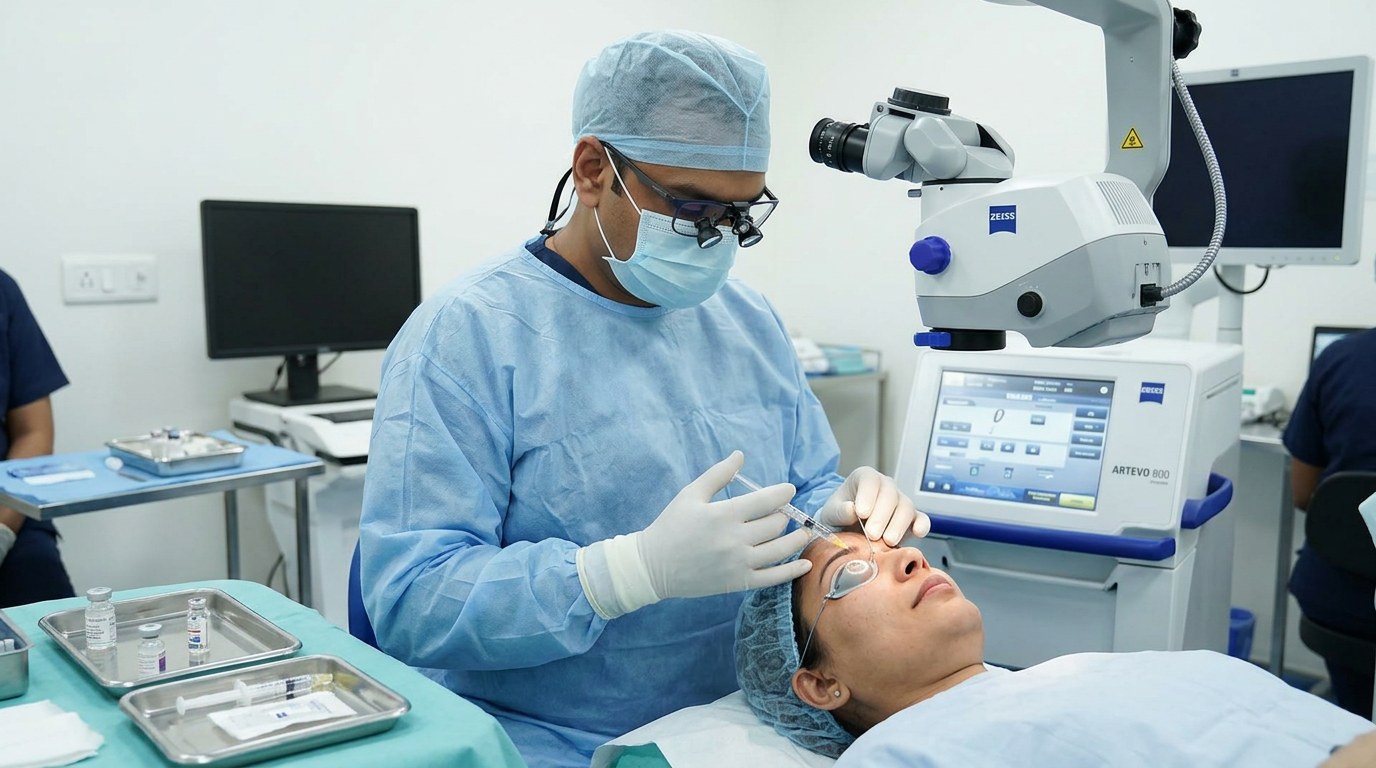
ICL Surgery
Permanent vision correction for high spectacle powers where LASIK is not suitable.
Learn More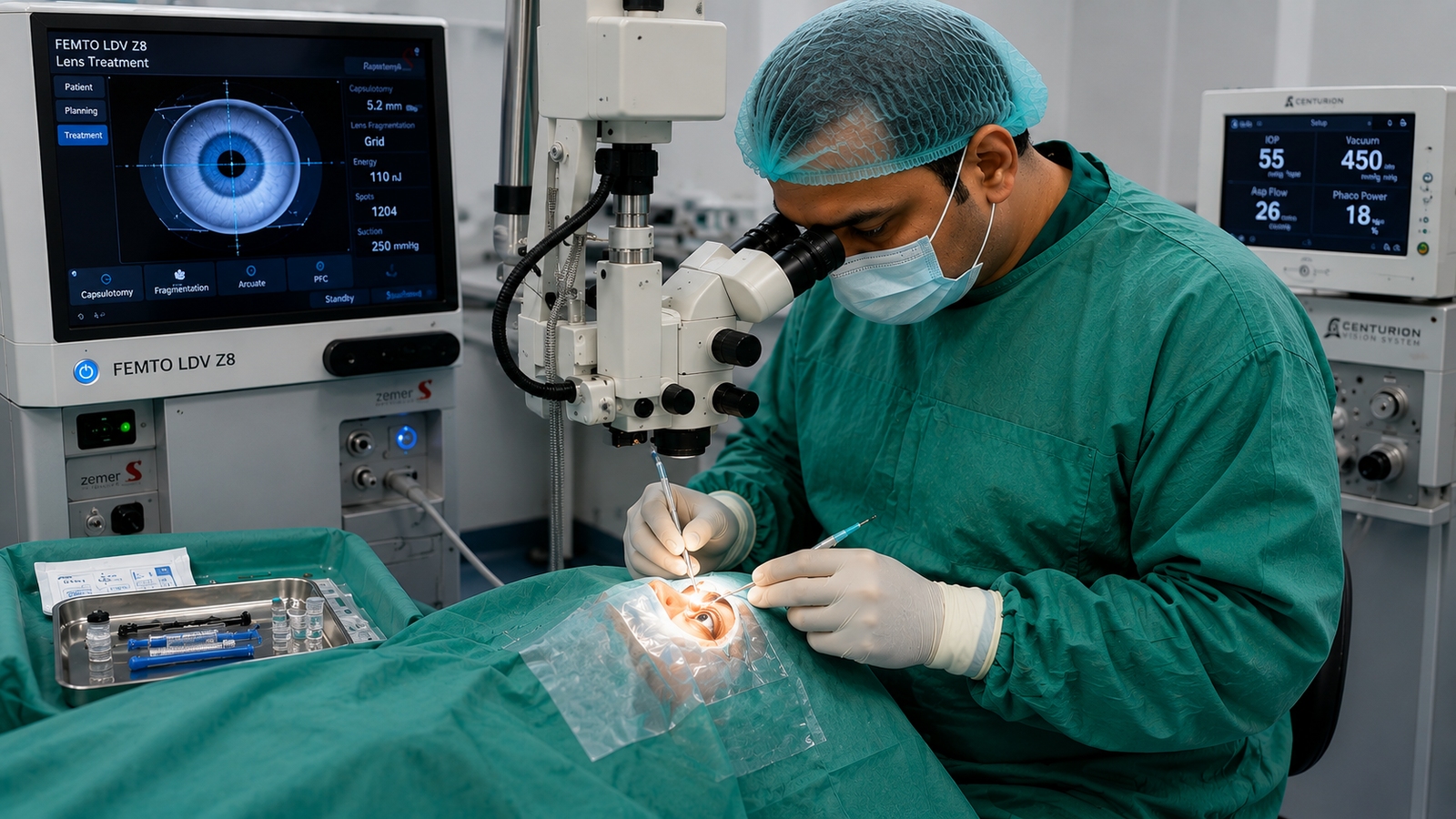
MICS & Femto Cataract Surgery
State-of-the-art cataract surgery using Femto-Laser technology and Micro Incision techniques (MICS) for precision and safety.
Learn More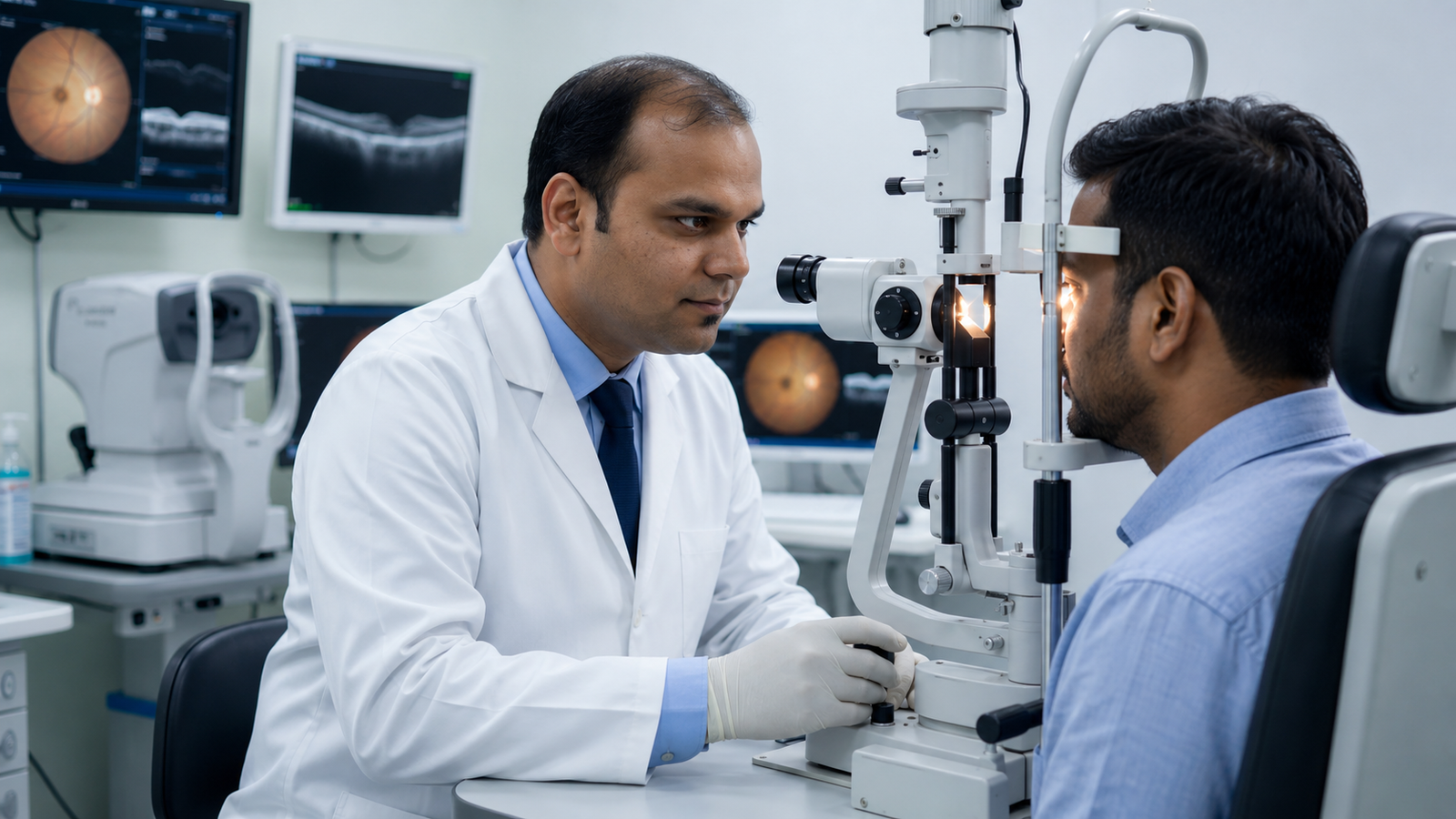
Comprehensive Eye Checkup
A detailed eye examination to assess visual clarity, detect early eye diseases, and evaluate overall eye health.
Learn More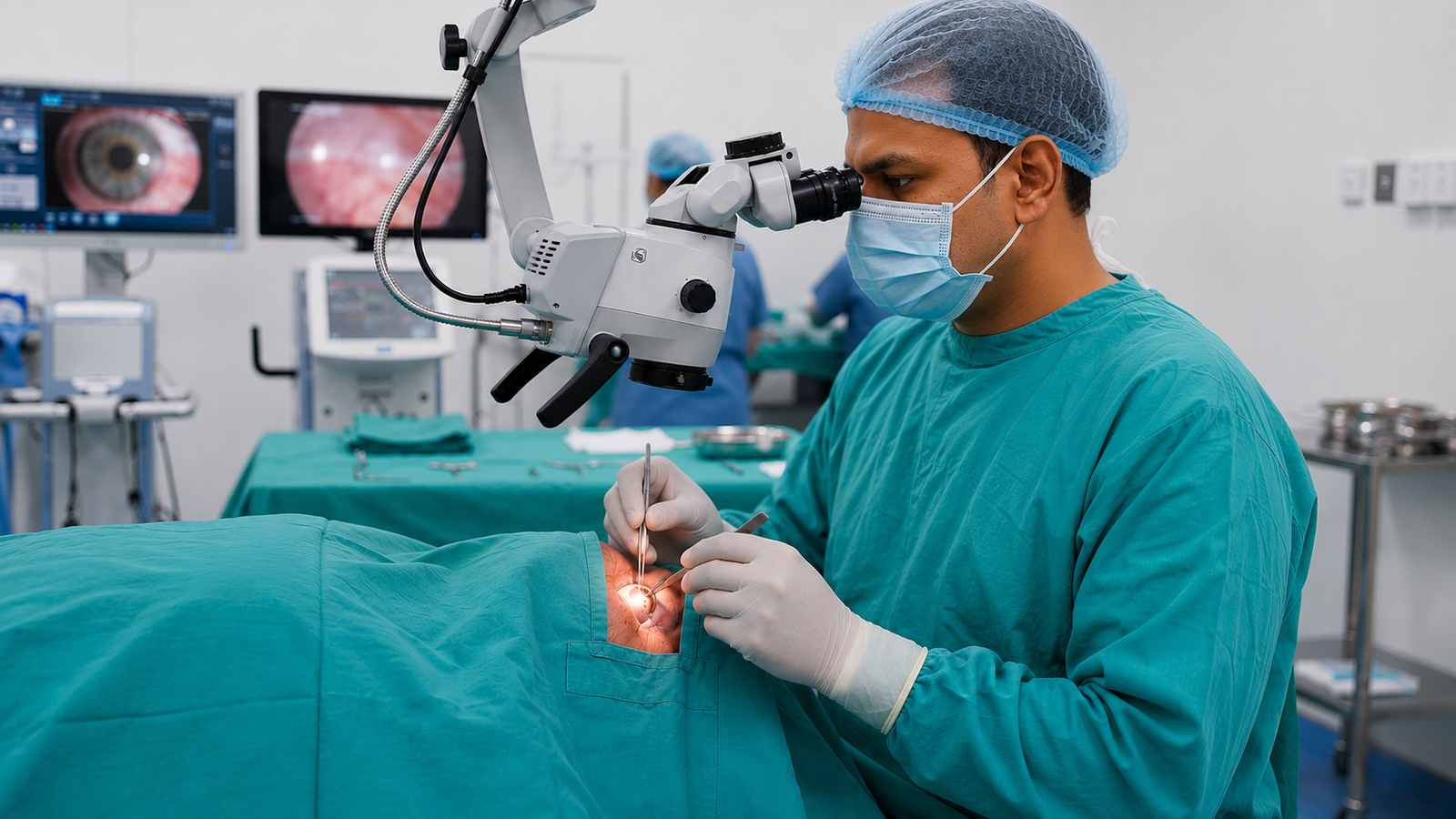
Pterygium Excision Surgery
Surgical removal of Pterygium (fleshy growth) using autograft techniques to prevent recurrence.
Learn More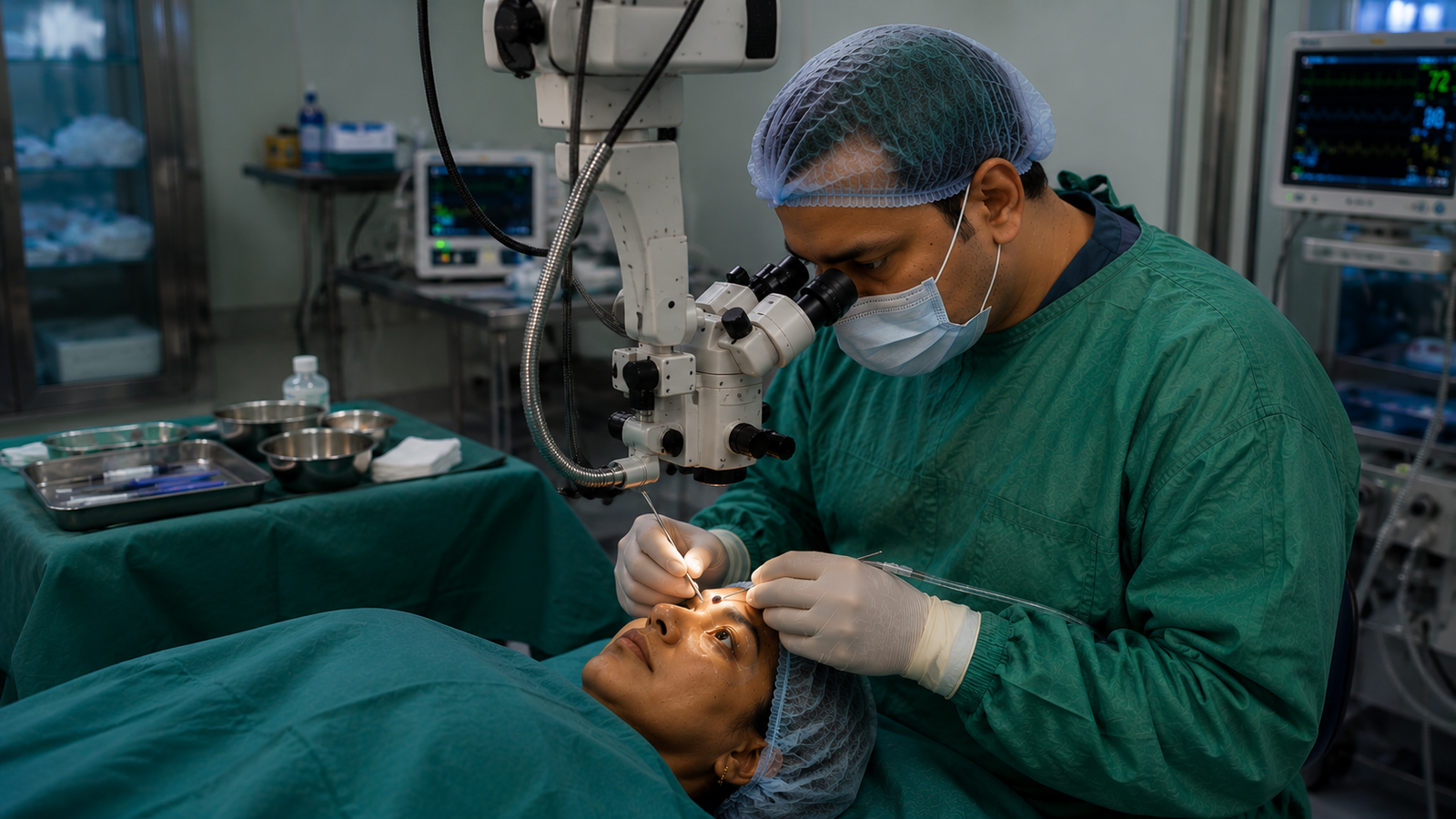
Retinal Detachment Surgery
Surgical intervention to repair detached retinas and prevent permanent blindness.
Learn More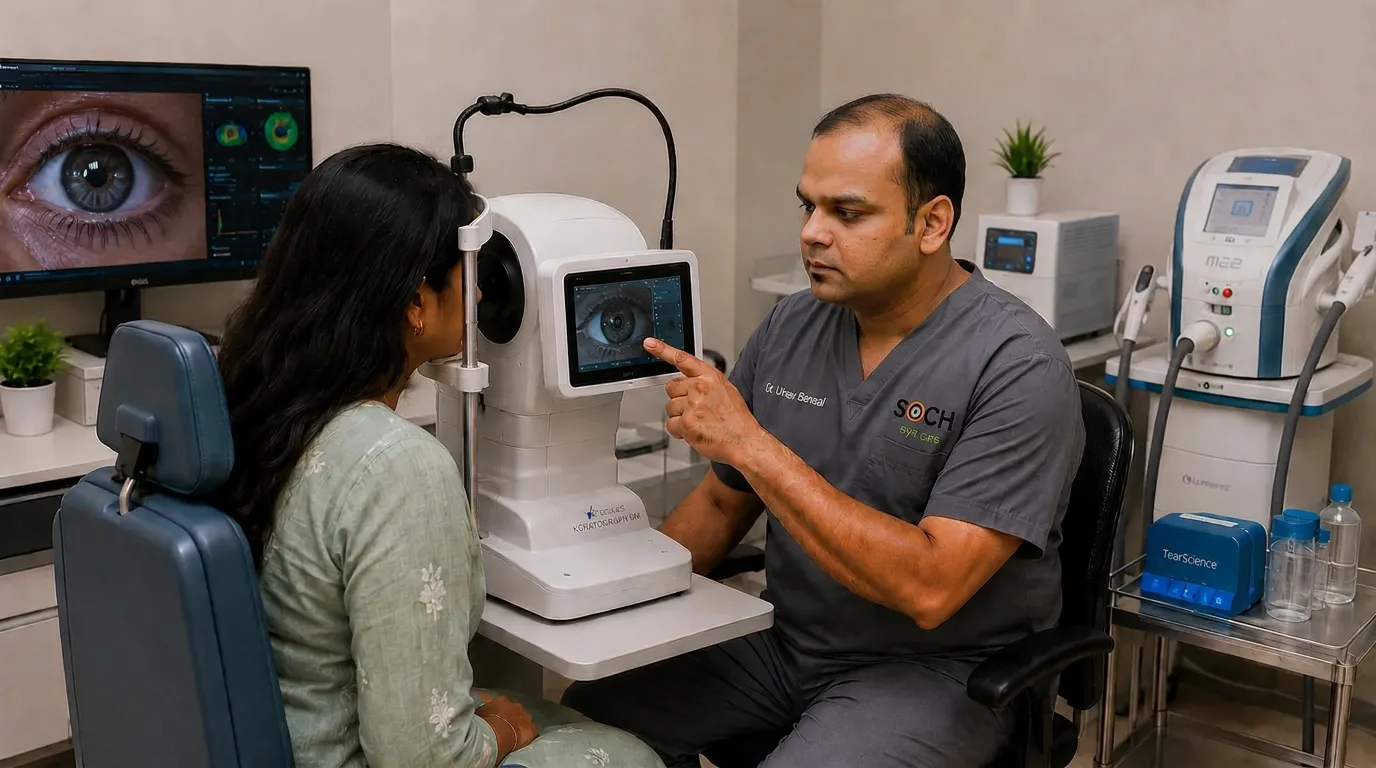
Dry Eye Clinic
Comprehensive diagnosis and management of dry eye syndrome for lasting comfort.
Learn More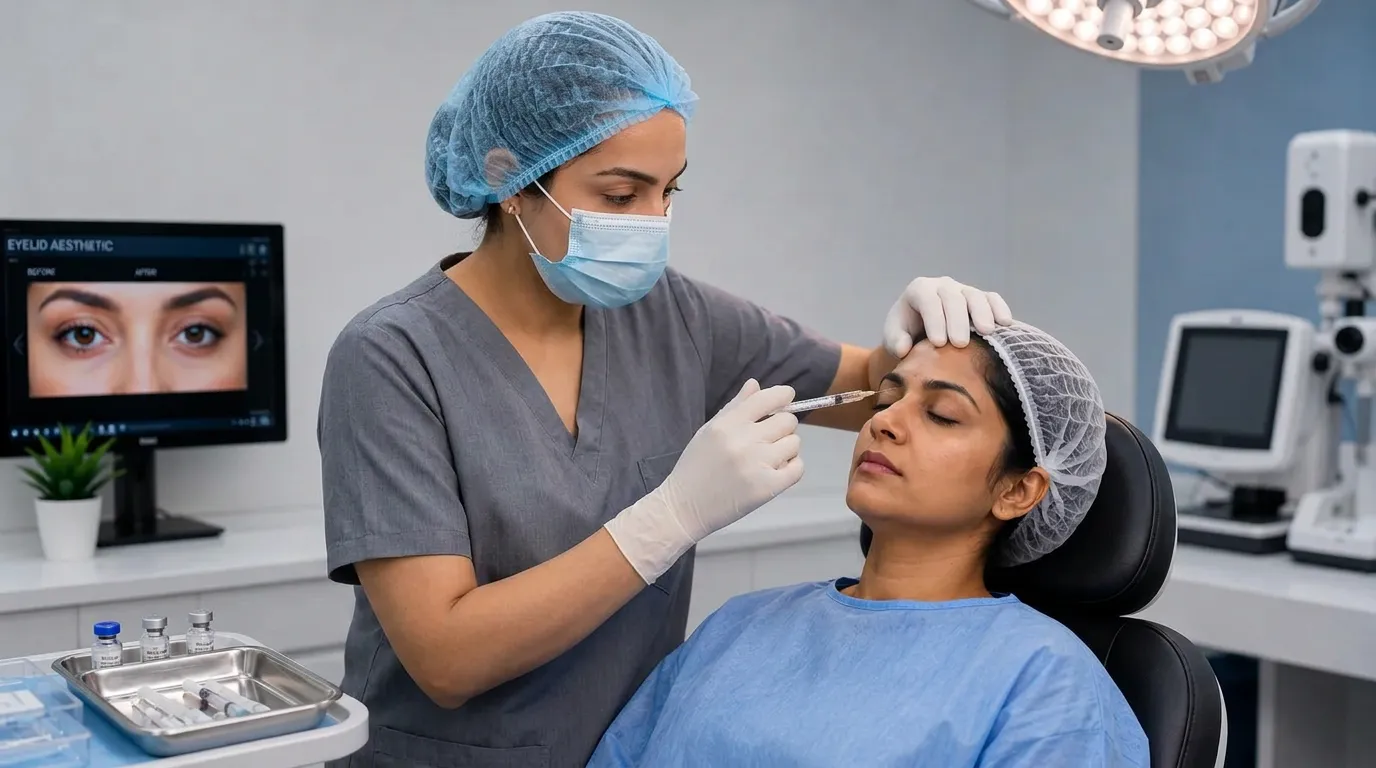
Eyelid Aesthetic Fillers
Non-surgical enhancements to reduce hollows and rejuvenate the under-eye area.
Learn More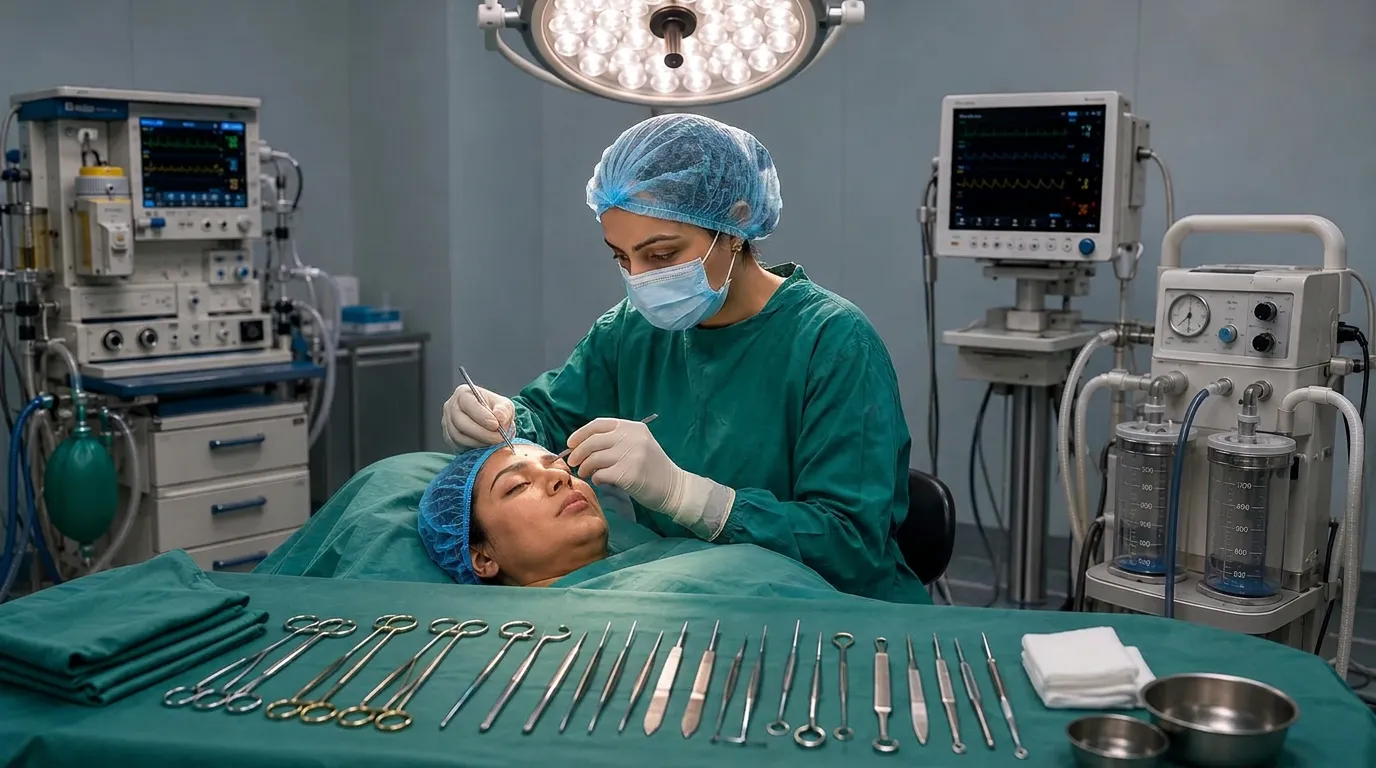
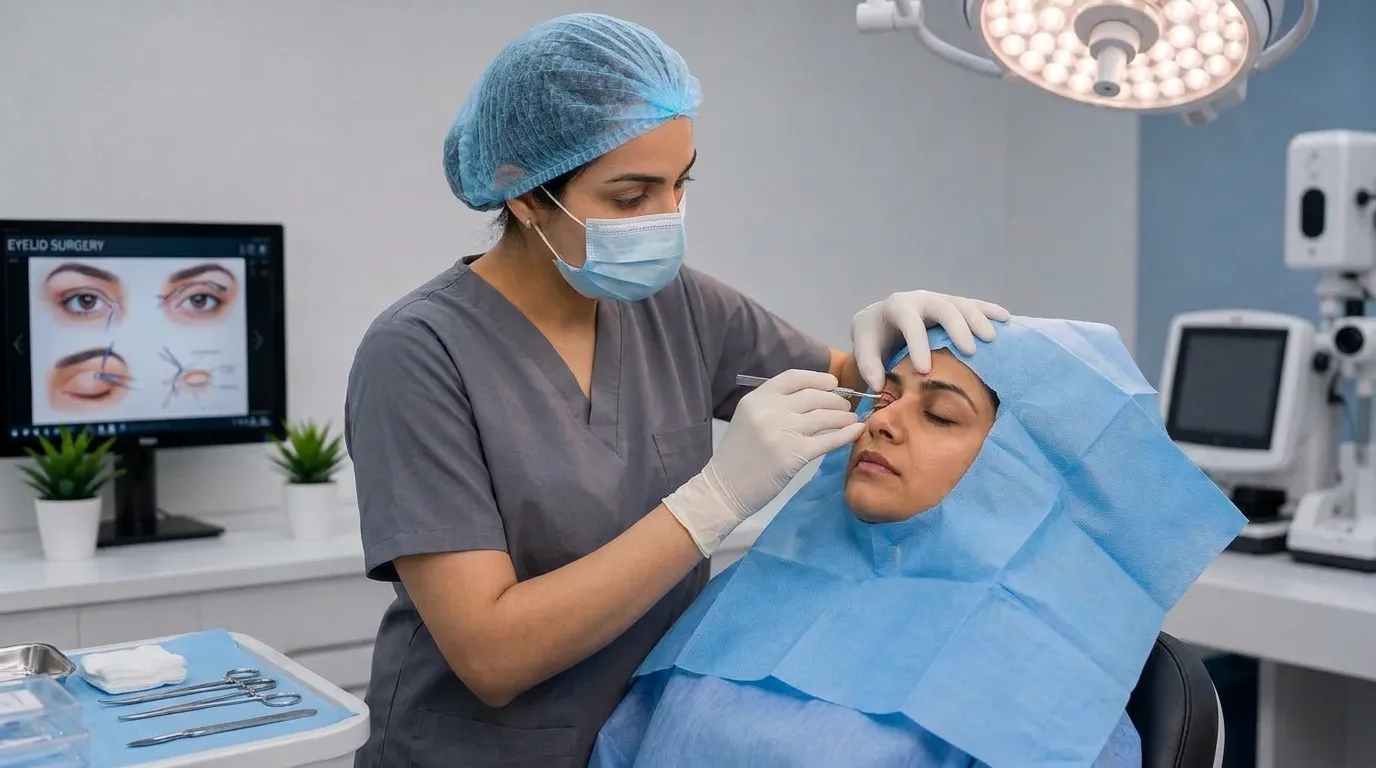
Brow Lift Surgery
Surgical correction for drooping brows to improve vision and aesthetics.
Learn More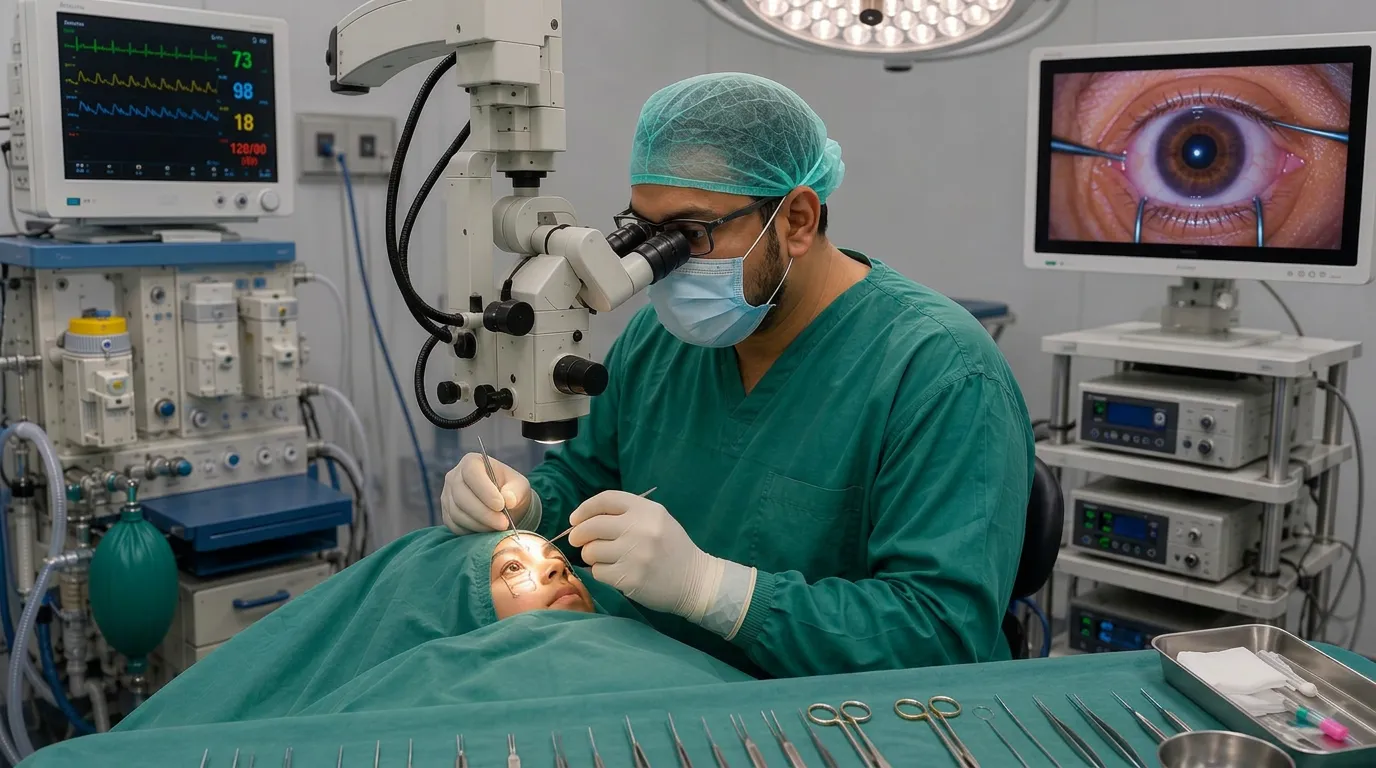
Squint Surgery
Corrective surgery for Strabismus to align the eyes and improve depth perception.
Learn More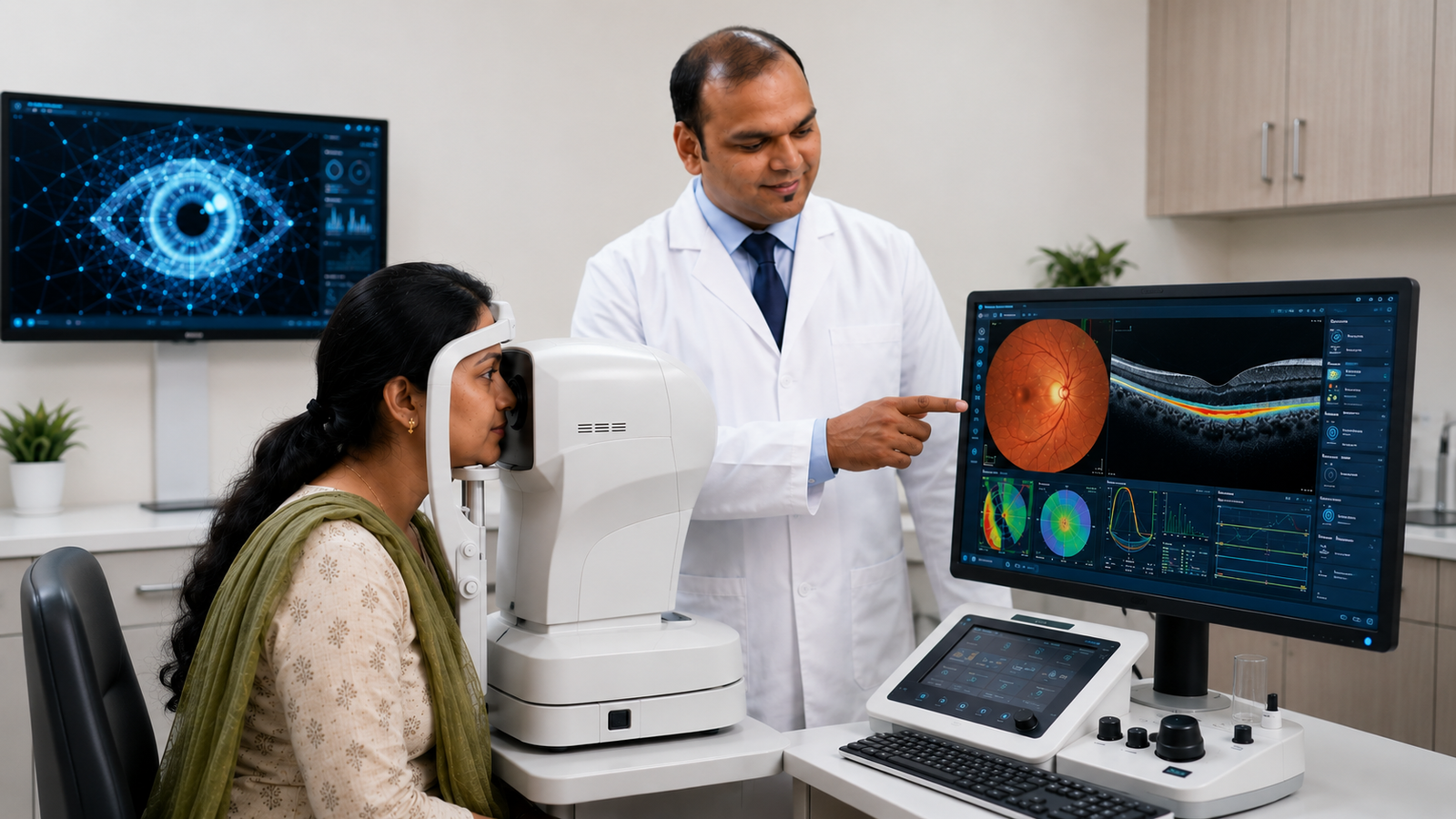
AI-Based Investigations
Advanced imaging powered by AI for early and accurate detection of eye diseases.
Learn More