
Retinal Detachment Surgery
Critical vision-saving procedures performed by specialists to repair retinal tears and prevent vision loss.
Retinal Detachment Surgery
Critical vision-saving procedures performed by specialists to repair retinal tears and prevent vision loss.Retinal detachment is a medical emergency. Our vitreoretinal surgeons use advanced techniques like Vitrectomy, Scleral Buckling, or Pneumatic Retinopexy to reattach the retina and preserve your vision.
What's Included
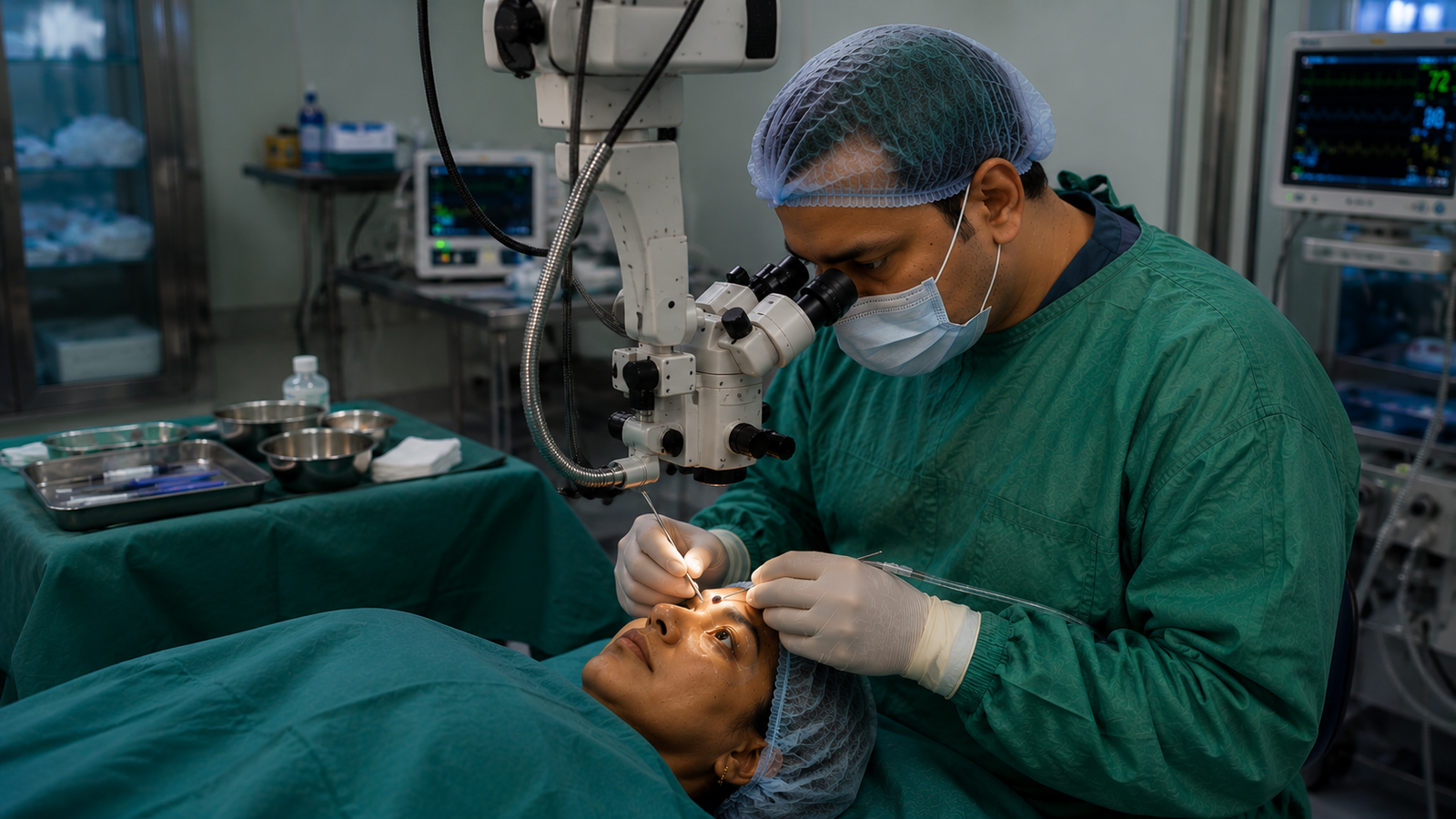
"A swift SOCH to save your vision—Protect your sight with expert care today!"
- Procedure Time 45 - 60 Minutes
- Recovery Time 2 - 4 Weeks
- Anesthesia Local with Sedation
- Hospital Stay OPD Surgical Day Care
Clinical Overview
Retinal Detachment is a critical, sight-threatening emergency where the thin, light-sensitive retina peels away from its underlying blood vessel layer. It usually starts with small tears in the retina caused by aging gel (vitreous) pulling on it. If left untreated, it can cause permanent and complete vision loss in the affected eye. Our vitreo-retinal specialists perform micro-incision vitrectomy surgery (MIVS) or scleral buckling. The gel is removed, the tears are sealed using specialized laser photocoagulation, and a gas or silicone oil bubble is injected to press the retina back into its normal position, allowing it to heal.
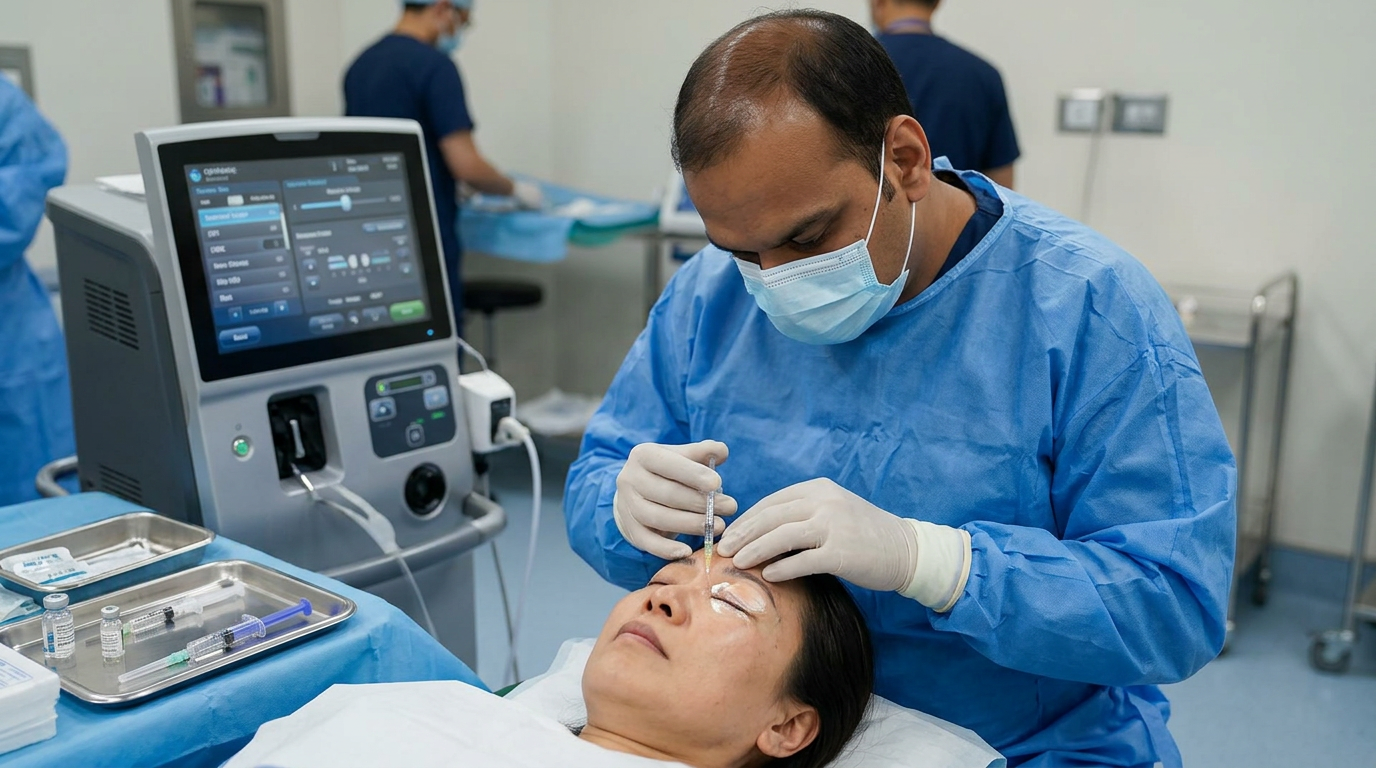
Advanced Treatment Options & Technology
Your Treatment Journey at SOCH
Emergency Diagnostics & Imaging
We perform urgent B-Scan ultrasound and indirect ophthalmoscopy to locate the tears and assess detachment extent.
Vitrectomy & Laser Sealing
The vitreous gel is removed, the retina is flattened, and tears are sealed with laser. A gas or oil bubble is placed.
Positioning & Healing
The patient is discharged with instructions to maintain specific head postures to keep the bubble in contact with the tear.
Ideal Candidate / Eligibility
- Sudden appearance of floaters, flashes of light, or a dark shadow covering vision.
- Clinically diagnosed retinal tear, break, or detachment.
- Traumatic eye injury causing retinal damage.
- Requires immediate surgical intervention to salvage visual potential.
Recovery Guidelines
Do's (Recommended)
- Maintain the specific face-down or side-lying head posture prescribed by your surgeon.
- Use your prescribed retina drops and medication strictly on time.
- Take complete physical rest and stay indoors.
Don'ts (Avoid)
- Do not fly or travel to high altitudes if a gas bubble has been placed in your eye.
- Avoid sudden head movements, coughing, sneezing, or straining.
- Do not rub your eye or get water inside the eye patch.
Your Speciality Treatment Doctor

Dr. Anshu Arora
Vitreo-Retinal SurgeonDr. Anshu Arora is an experienced vitreo-retinal Surgeon with 22 years of expertise. A gold medalist in MS Ophthalmology and best fellow awardee at Sankara Nethralaya, he has performed over 10,000 complex vitreo-retinal and cataract surgeries. He is sought after for difficult surgical cases and believes in ethical management with evidence-based medicine.
View Doctor ProfileFrequently Asked Questions
Sudden onset of floaters, flashes of light, or a curtain-like shadow appearing across your vision.
In most cases of detachment, surgery is required to reattach the retina and prevent permanent vision loss.
If a gas or oil bubble is used, you may need to maintain a face-down position for a few days to help the retina heal in place.
No, retinal detachment itself is entirely painless, which is why paying attention to visual warning signs is critical.
It is a medical emergency. Surgery should ideally be performed within 24-48 hours of diagnosis to maximize the chance of restoring vision.
Vitrectomy is a surgical procedure where the vitreous gel pulling on the retina is removed and replaced with a bubble to press the retina flat.
Visual recovery depends on how long the retina was detached and if the macula was involved. It can take months for vision to stabilize.
If a gas bubble was placed in your eye, you cannot fly or travel to high altitudes until the bubble has completely absorbed.
It can be caused by aging, severe nearsightedness, eye trauma, previous eye surgeries, or a family history of detachment.
Most retinal surgeries can be performed under local anesthesia with conscious sedation, but general anesthesia is used for specific or complex cases.
Explore Other Services
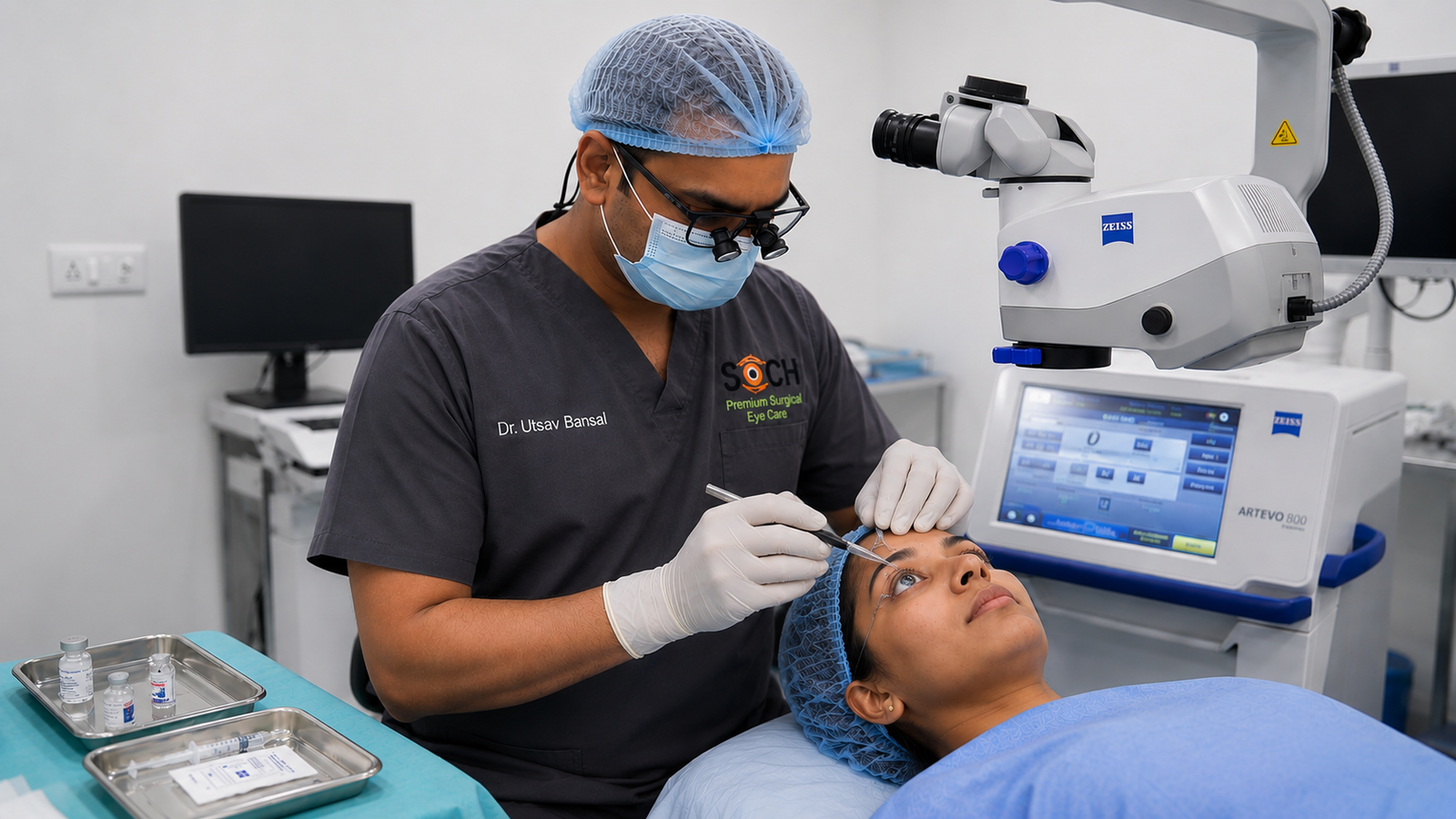
LASIK & Contoura Vision
State-of-the-art laser vision correction including Contoura LASIK and Wavelight technology for 20/20 vision.
Learn More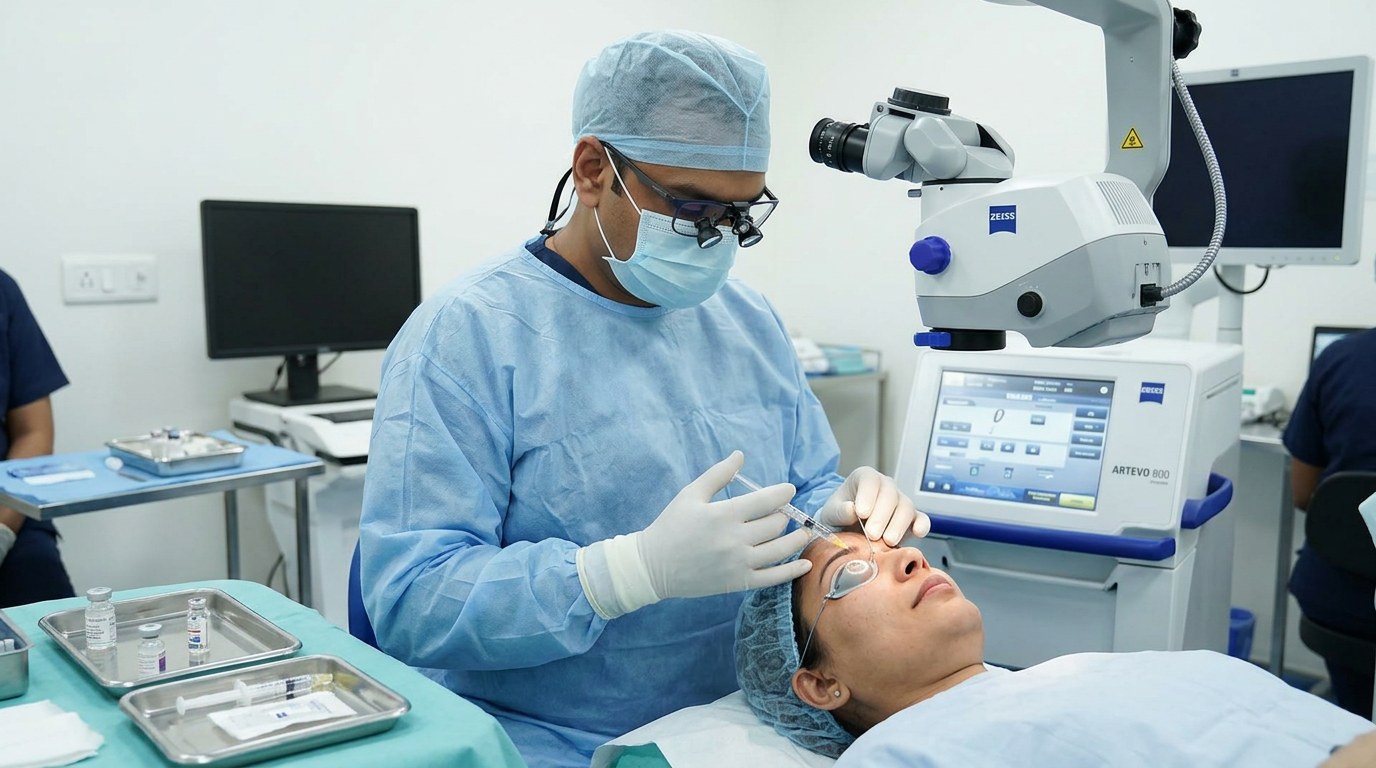
ICL Surgery
Permanent vision correction for high spectacle powers where LASIK is not suitable.
Learn More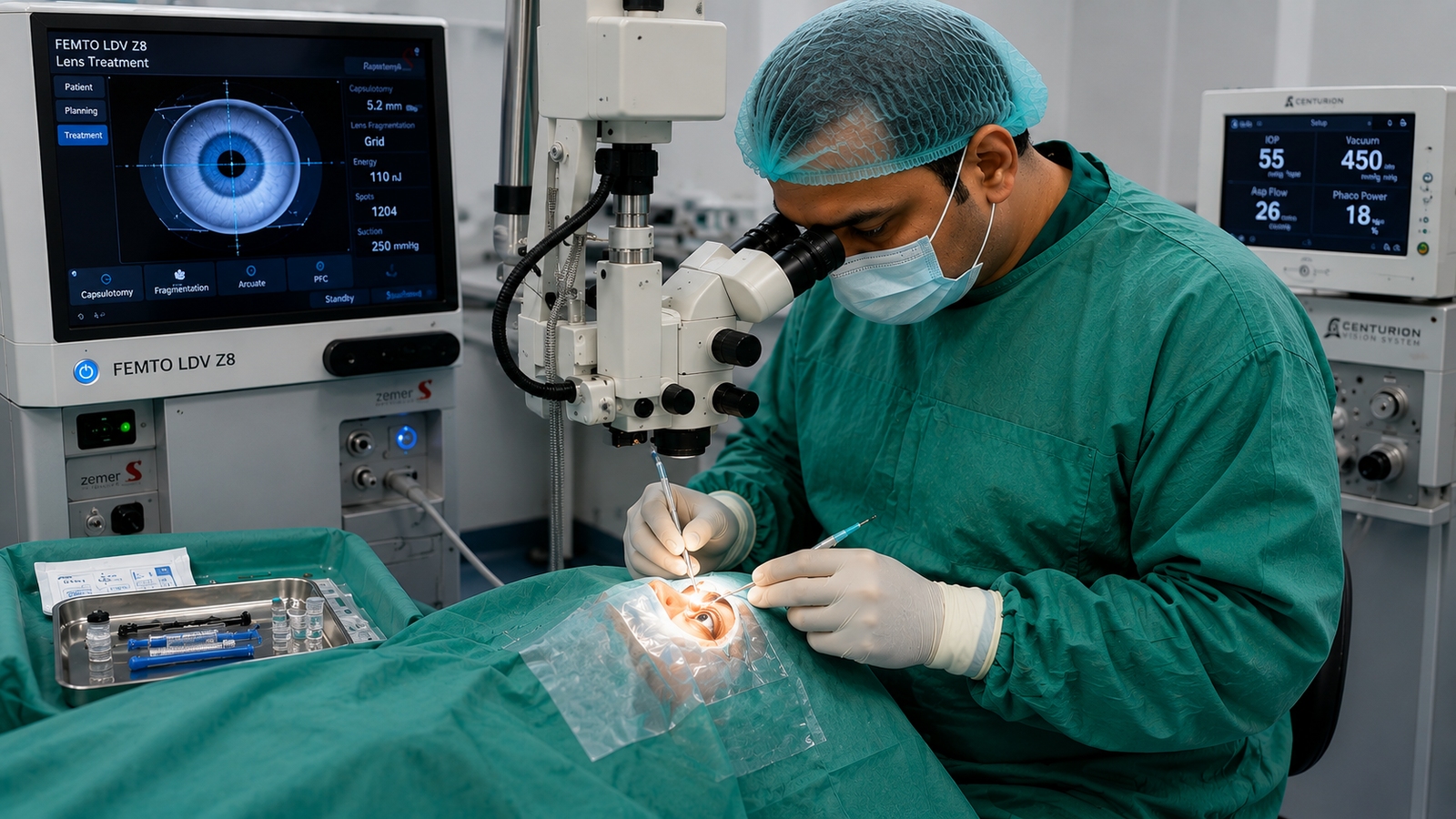
MICS & Femto Cataract Surgery
State-of-the-art cataract surgery using Femto-Laser technology and Micro Incision techniques (MICS) for precision and safety.
Learn More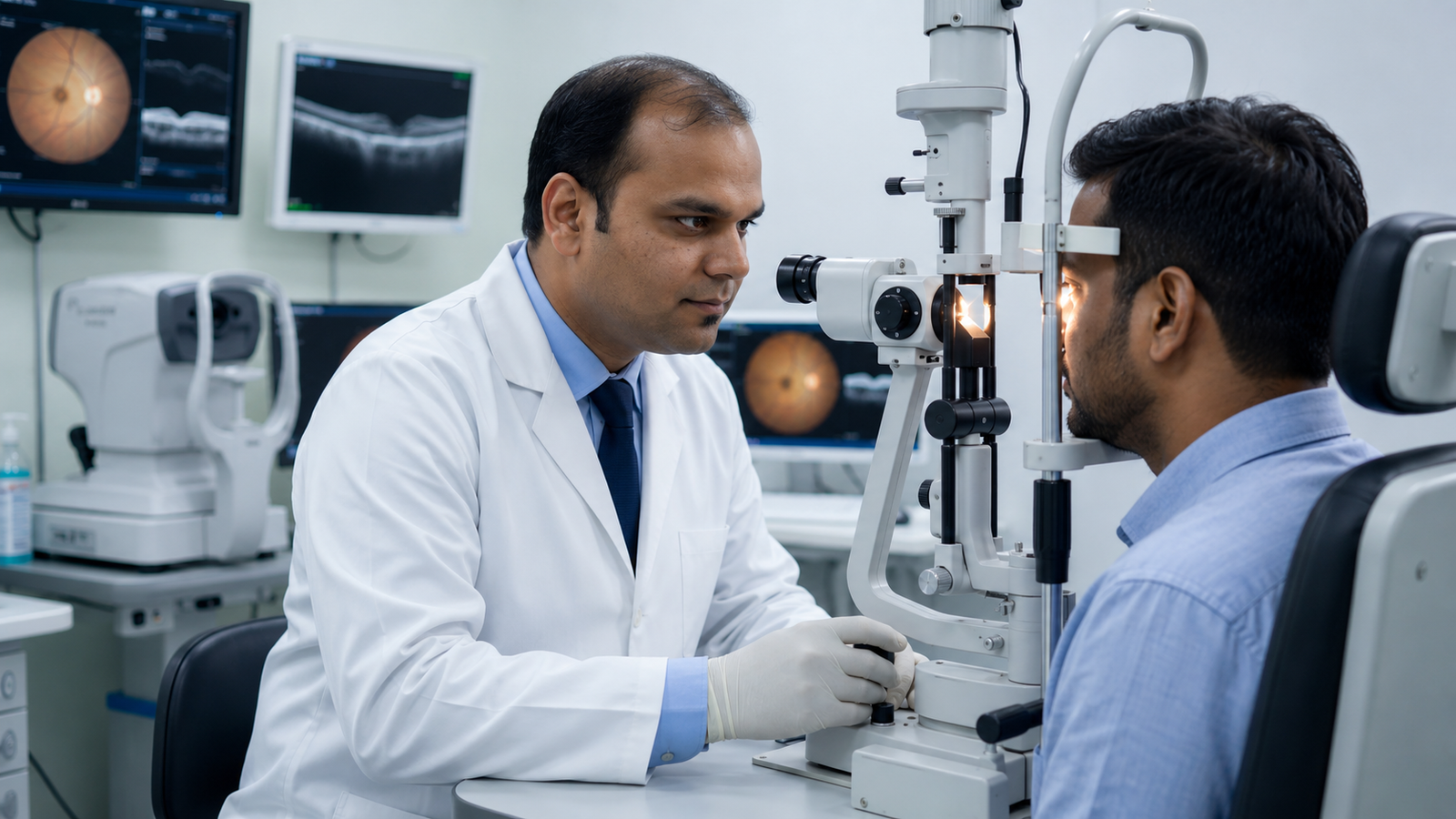
Comprehensive Eye Checkup
A detailed eye examination to assess visual clarity, detect early eye diseases, and evaluate overall eye health.
Learn More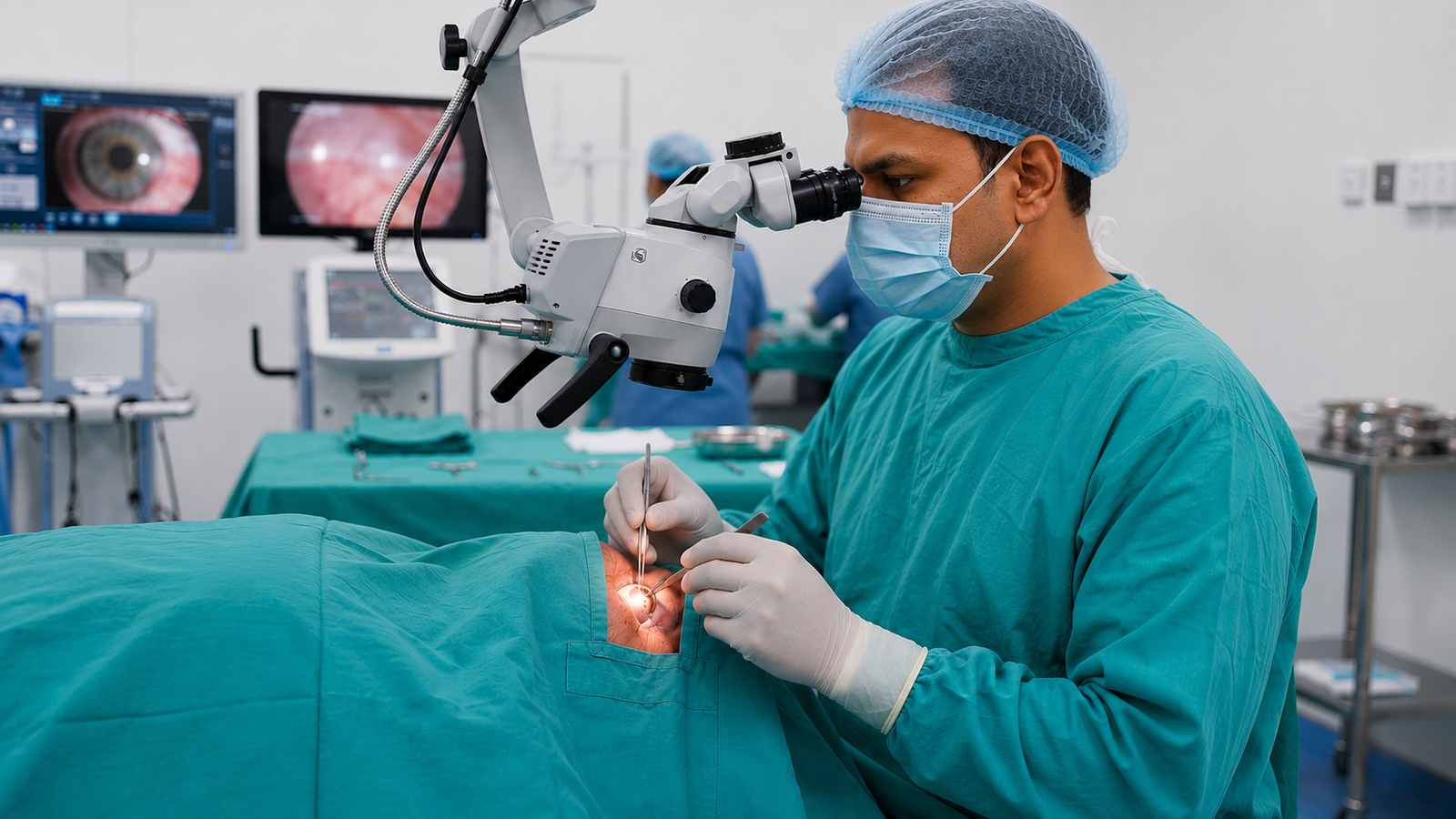
Pterygium Excision Surgery
Surgical removal of Pterygium (fleshy growth) using autograft techniques to prevent recurrence.
Learn More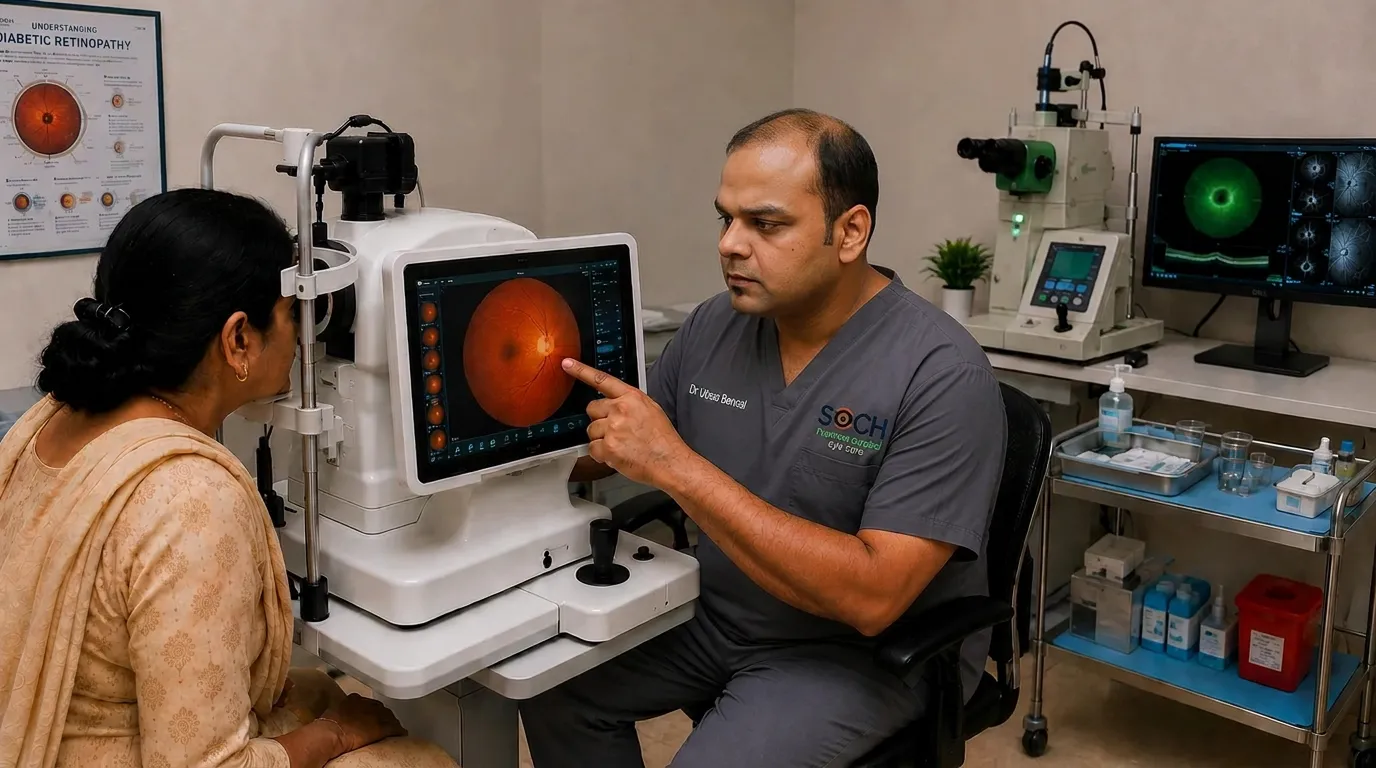
Diabetic Retinopathy Clinic
Specialized screening and treatment (Laser/Injections) for diabetes-related eye complications.
Learn More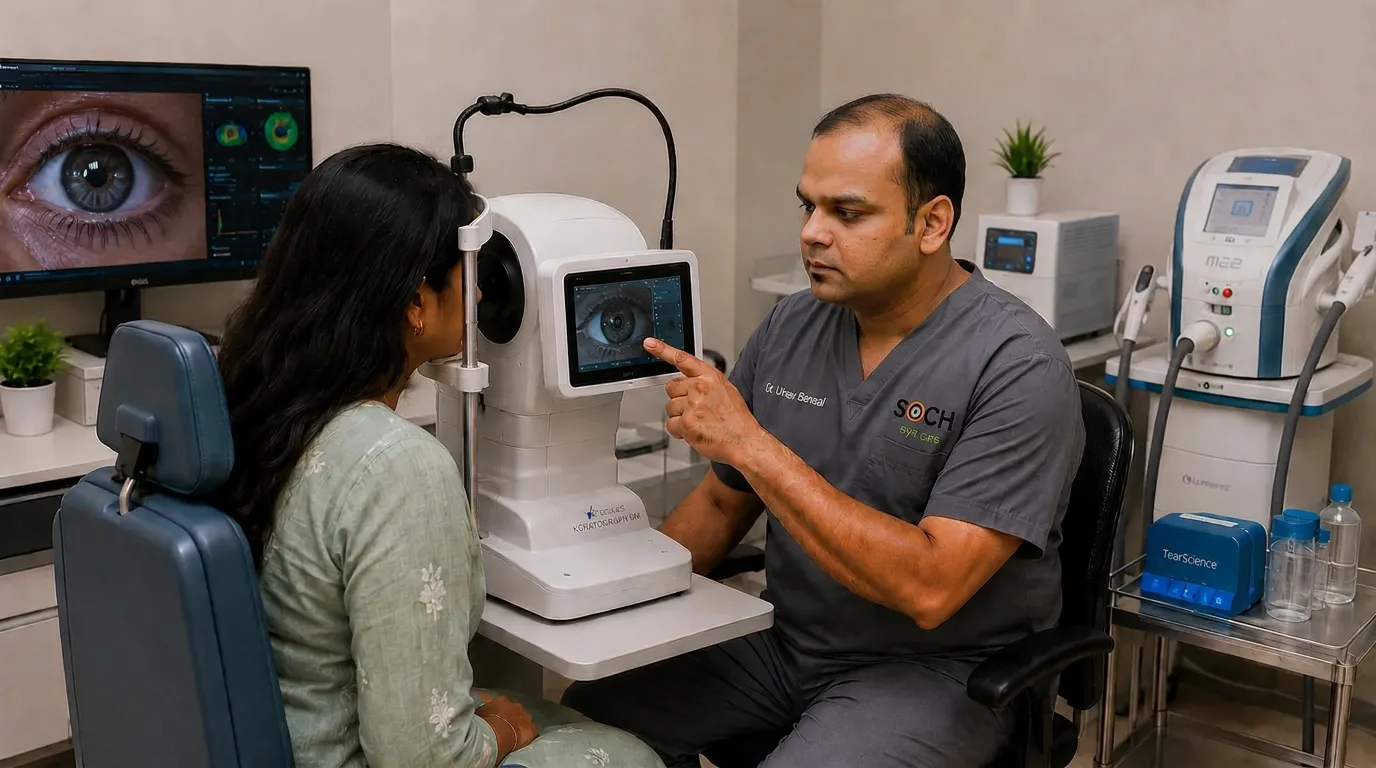
Dry Eye Clinic
Comprehensive diagnosis and management of dry eye syndrome for lasting comfort.
Learn More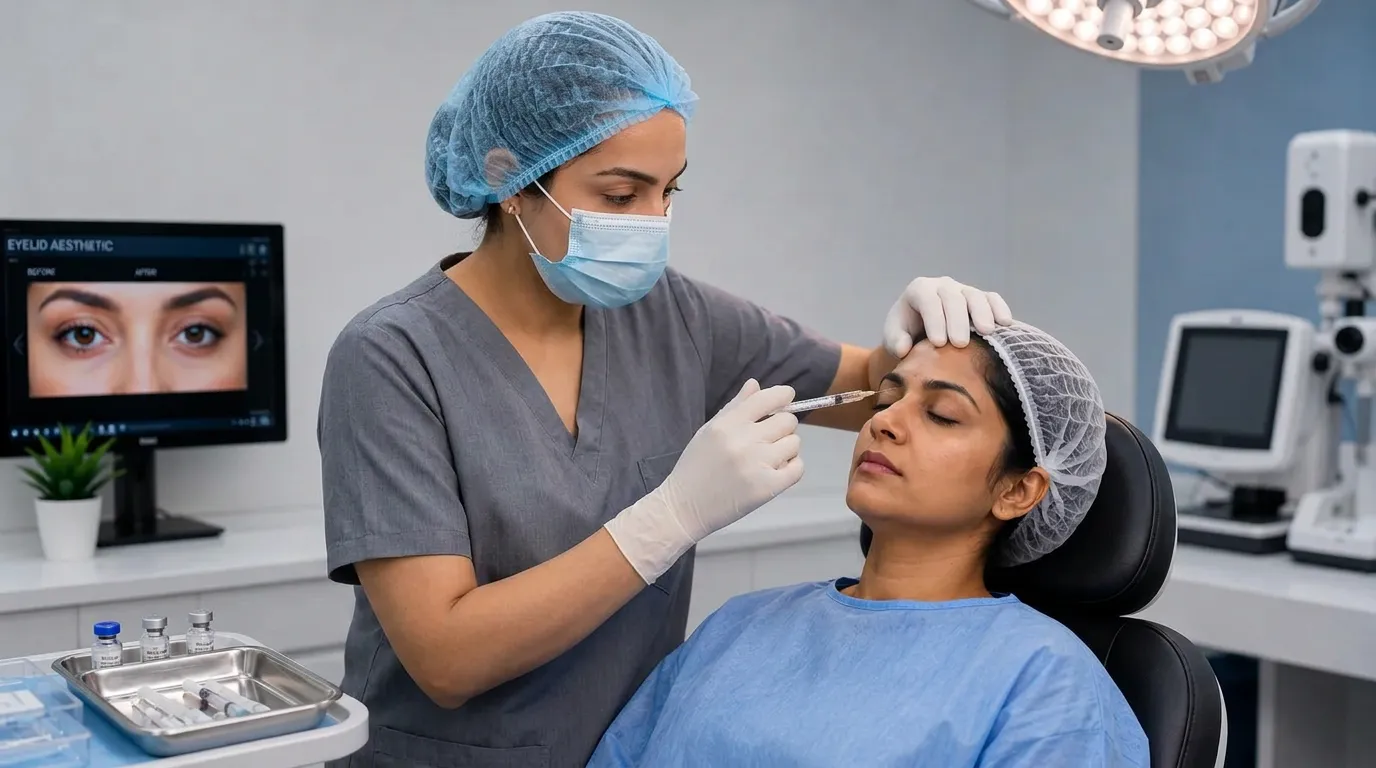
Eyelid Aesthetic Fillers
Non-surgical enhancements to reduce hollows and rejuvenate the under-eye area.
Learn More
Brow Lift Surgery
Surgical correction for drooping brows to improve vision and aesthetics.
Learn More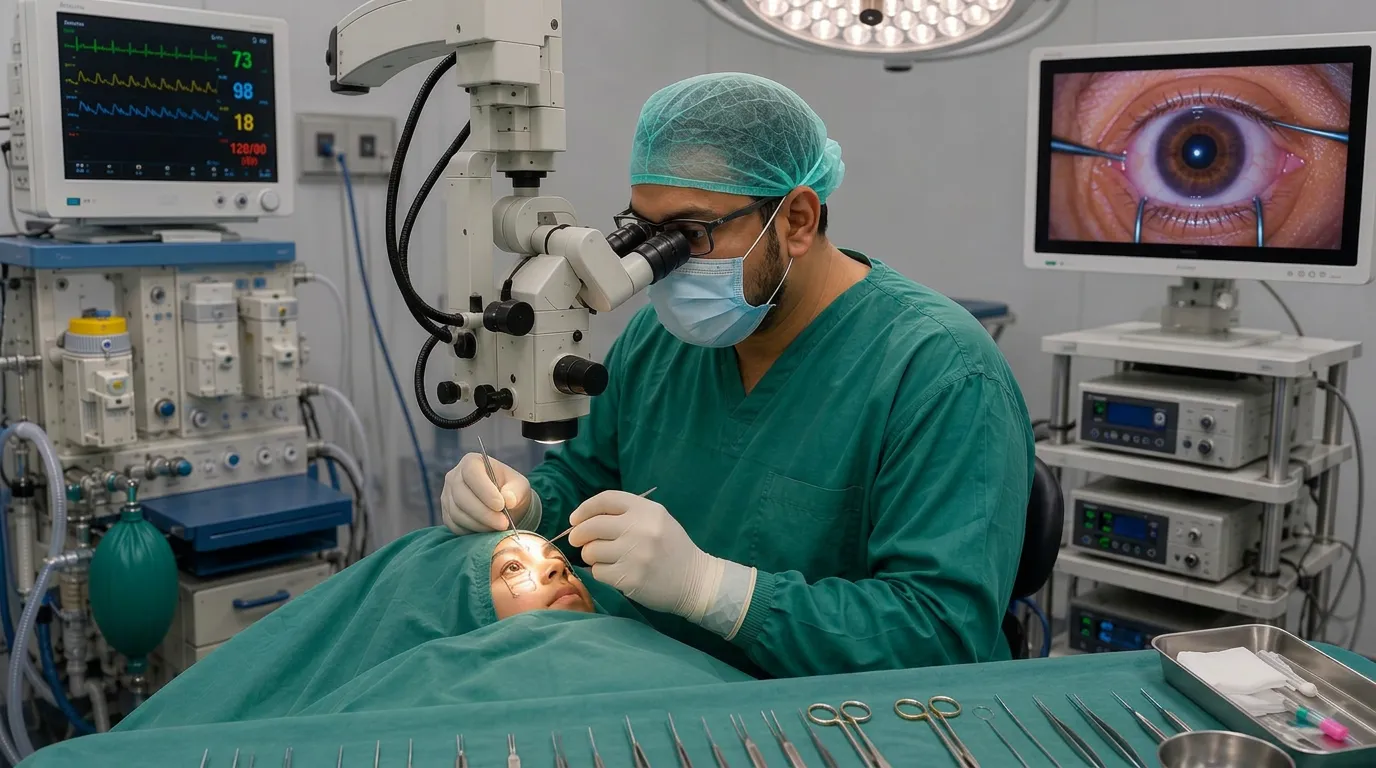
Squint Surgery
Corrective surgery for Strabismus to align the eyes and improve depth perception.
Learn More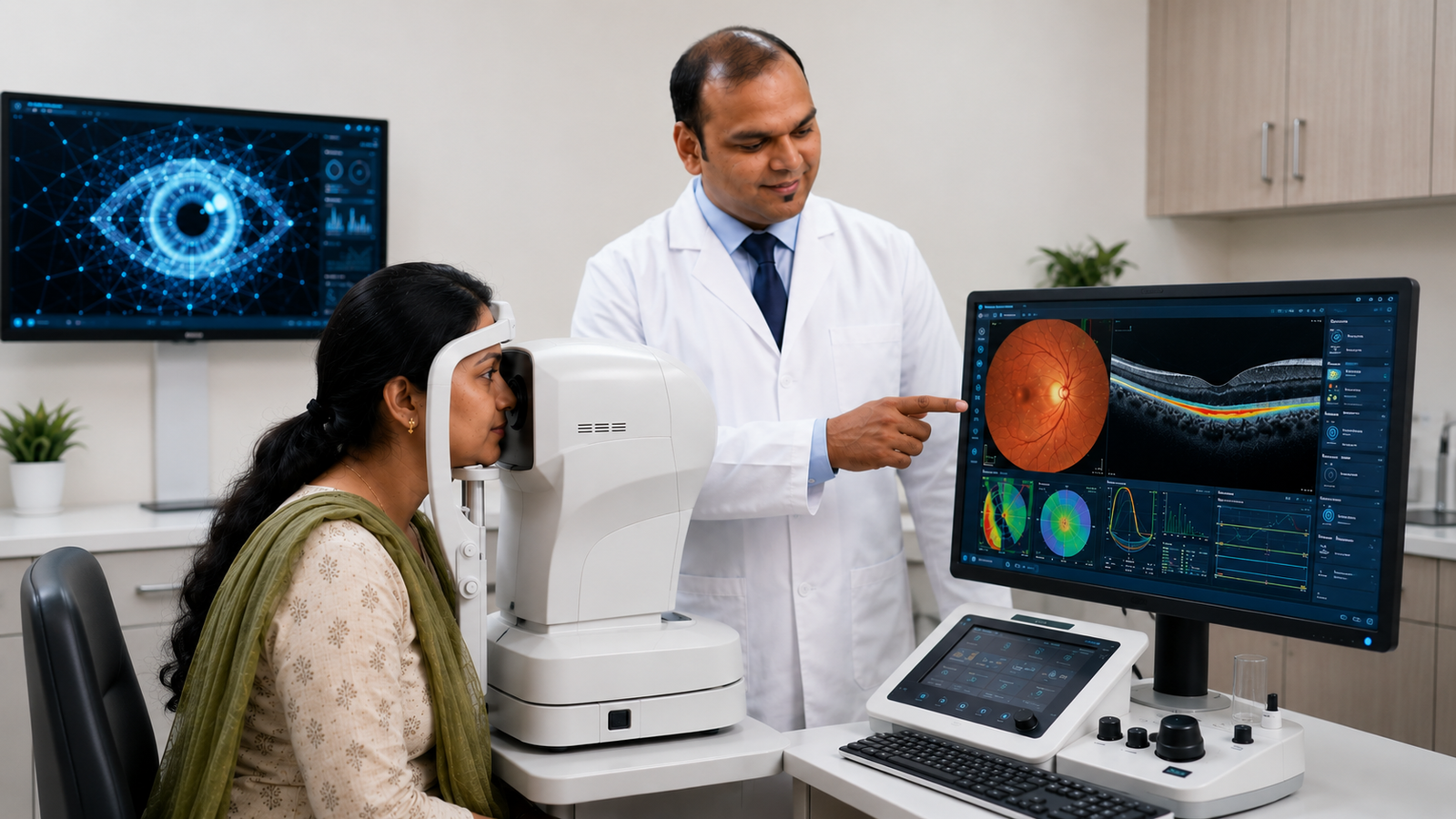
AI-Based Investigations
Advanced imaging powered by AI for early and accurate detection of eye diseases.
Learn More